
Don’t believe that fish grow to the size of their tank – they have genetically determined sizes regardless of container. Small tanks actually create more challenges with unstable water parameters and faster waste buildup. Forget the “inch per gallon” rule; consider adult size, behavior, and metabolism when stocking. You don’t need weekly 100% water changes either – proper maintenance depends on your specific setup. With proper space and care, goldfish can thrive for decades, rather than just months. The truth about these myths will transform your aquarium experience.
The Fallacy That Fish Grow to Their Tank Size

Despite what you’ve probably heard from well-meaning pet store employees or fellow fish enthusiasts, fish don’t magically sense the boundaries of their tank and stop growing accordingly. This persistent myth confuses cause and effect.
What’s actually happening is that poor water quality in small, inadequately maintained tanks creates chronic stress that suppresses growth. Your fish have a genetically determined maximum size, regardless of where they live. When they appear “stunted,” it’s typically due to accumulated waste products, insufficient oxygen, or inadequate nutrition—not some mysterious ability to detect glass walls! Goldfish need at least 20-35 gallons to thrive, so providing them with sufficient space is crucial for their development.
Fish kept in properly maintained systems with appropriate filtration, regular water changes, and quality food will reach their natural size. Some species produce growth-inhibiting pheromones when kept in confined spaces, further contributing to stunted development. Common goldfish require at least 112L of water per adult fish to reach their full potential size of up to 45cm. Remember, that cute little goldfish could potentially grow to 8-10 inches with proper care!
Why Small Tanks Actually Create More Challenges for Beginners
While pet stores enthusiastically sell tiny “starter” aquariums with promises of simplicity, these small tanks actually create the most challenging conditions for beginners.
Counter to popular belief, larger tanks (20-55 gallons) are far more forgiving and stable environments for your first aquatic adventure.
Why small tanks are tougher to manage:
- Water parameters fluctuate rapidly, giving you less time to correct dangerous ammonia spikes.
- Waste accumulates quickly, requiring more frequent and precise water changes.
- Standard filtration in small kits often can’t handle even modest bioloads.
- Cycling challenges increase as bacterial colonies struggle to establish in limited water volumes.
- Stocking limitations are severe, despite what the cheerful store employee might suggest. Proper management of water quality is crucial for fish survival in small environments.
Small aquariums provide significantly less stable conditions for fish, making maintenance much more difficult for inexperienced aquarists.
Smaller tanks are easily prone to overstocking problems since beginners often underestimate the full-grown size of their fish and their space requirements.
You’ll find much more success and enjoyment starting with the largest tank your budget and space allow!
Beyond the One Inch Per Gallon Rule: Proper Stocking Practices
Instead, consider your fish’s adult size, behavior, and metabolism when stocking.
Territorial cichlids need more space than peaceful community fish, while schooling species require groups of six or more to thrive. Additionally, certain fish like small schooling fish such as Tetras and Danios are particularly suitable for beginners, as they adapt well to various water conditions.
Your filtration capacity matters tremendously too – even a spacious tank can’t support excessive bioload without proper filtration. Regular monitoring of water parameters helps maintain the delicate balance needed for a healthy aquarium ecosystem. Remember to introduce slowly when adding new fish or invertebrates to allow your biological filtration system time to adjust.
Debunking Water Change Misconceptions for Healthier Aquariums

Water changes remain perhaps the most misunderstood aspect of aquarium maintenance, surrounded by a sea of contradictory advice that leaves many hobbyists confused.
You’ve likely heard conflicting “rules” about how often and how much water to change, but the truth is more nuanced than many quick-fix guidelines suggest.
Here’s what you should know:
- There’s no universal schedule—your tank’s specific needs depend on stocking, plants, and filtration.
- The primary purpose is nitrate dilution, not fixing every water parameter issue.
- Large changes aren’t automatically dangerous if replacement water matches temperature and chemistry.
- Fish activity during water changes often indicates stress, not happiness; understanding water chemistry is vital for maintaining a healthy tank environment.
- Most tanks do well with 50% changes every 1-3 months, adjusted based on your specific setup.
Contrary to popular belief, nitrate levels below 80 ppm are generally safe for most adult fish and won’t cause health issues.
For heavily stocked aquariums, consider implementing smaller, frequent changes of 15-20% every 1-2 weeks to maintain water quality without disrupting the tank’s biological balance.
Common Goldfish Myths That Lead to Shortened Lifespans
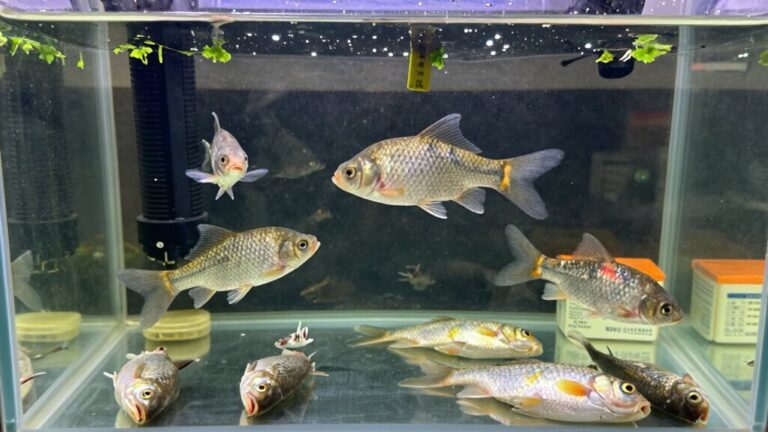
Goldfish, despite their reputation as short-lived starter pets, are actually remarkable creatures capable of living decades when properly cared for. You’ve probably heard they only remember things for three seconds, but they can actually recognize you and remember training for up to five months! The bowl myth is particularly harmful – these fish need proper filtration and space, not tiny glass prisons where they slowly suffocate. Your goldfish isn’t “growing to the size of its tank” either – it’s being stunted by poor conditions, which dramatically shortens its life. With clean water, proper filtration, adequate space, and a varied diet, your goldfish friends can thrive for 10-20 years or more, rather than suffering through the few sad months most receive. Many owners don’t realize that goldfish are actually omnivores requiring both plant and animal matter for optimal health. Moreover, even though they can live for decades, proper water quality is essential for maintaining their long lifespan. Carnival goldfish particularly suffer from toxic ammonia buildup when kept without proper filtration systems, leading to numerous health problems including fin rot and swim bladder disease.
Frequently Asked Questions
How Long Should I Cycle a New Tank Before Adding Fish?
You’ll need 4-6 weeks to properly cycle your tank before adding fish. Monitor until ammonia and nitrite levels read zero and nitrates rise. You can add fish slowly once these parameters stabilize.
Do Aquarium Plants Really Help Improve Water Quality?
Yes, aquarium plants greatly improve water quality. They absorb fish waste nutrients like nitrates, compete with algae, boost clarity, and create beneficial microbial habitats. You’ll see clearer water with properly maintained live plants.
Is Tap Water Conditioner Necessary for Every Water Change?
Yes, you’ll need tap water conditioner for every water change if your water contains chlorine or chloramine. These chemicals harm fish and beneficial bacteria. Skip it only with well water or other untreated sources.
How Do I Know if My Fish Are Compatible With Each Other?
Research your fish’s natural habitats, temperaments, and size requirements. You’ll want species from similar water conditions that won’t fight or eat each other. Watch for signs of stress or aggression after introducing them.
Can Aquarium Lighting Affect Algae Growth and Fish Health?
Yes, your aquarium lighting directly impacts algae growth and fish health. Too much light promotes algae blooms, while proper spectrum and duration support your fish’s natural cycles and overall wellbeing.
Final Thoughts
You’re now armed with the truth about fishkeeping, so don’t let these myths cloud your expedition! Remember, your finned friends need proper space to thrive, small tanks aren’t shortcuts, and that inch-per-gallon rule belongs in the past. By understanding correct water change schedules and giving goldfish the care they deserve, you’ll create a thriving underwater world. Trust science, not hearsay, and watch your aquatic community flourish!