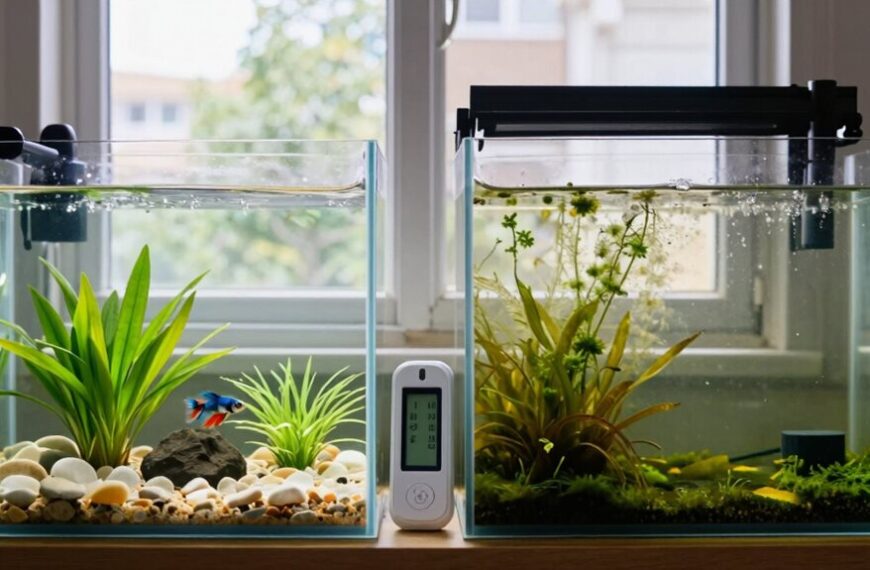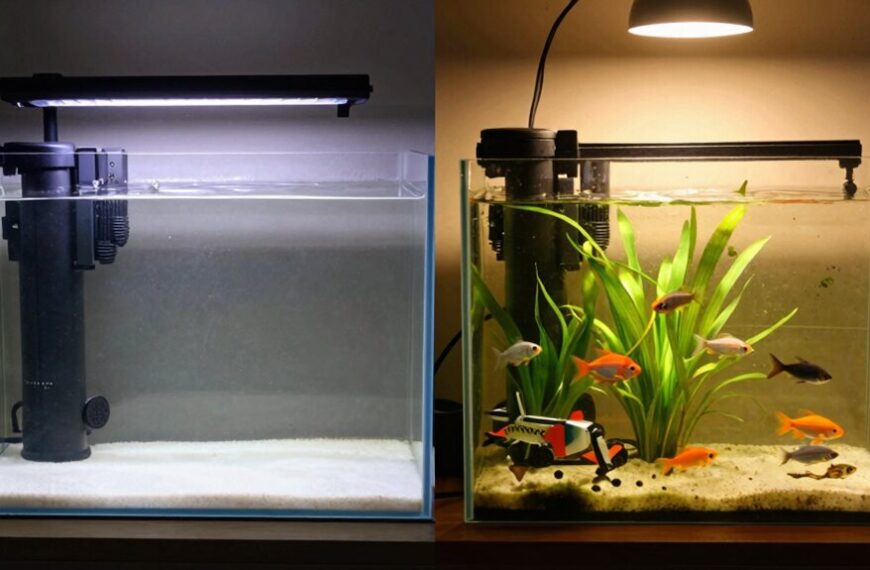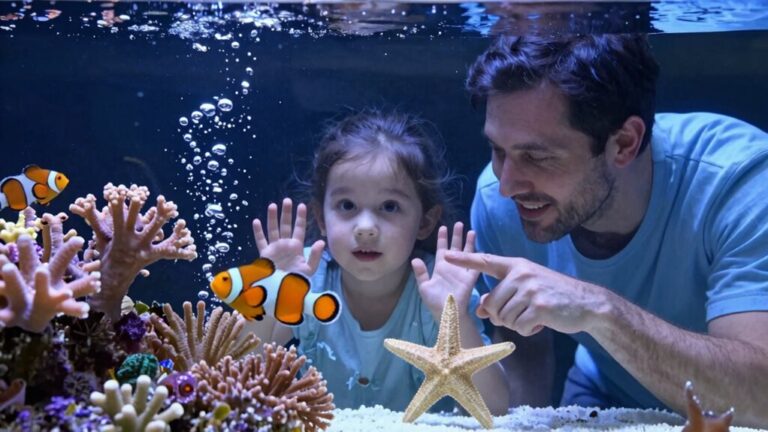

Fishkeeping offers kids a perfect blend of fun and responsibility. You’ll see your children develop consistent habits through daily feeding schedules, water quality monitoring, and tank maintenance. Start with simple tasks for younger kids—like feeding and observing—then gradually introduce more complex responsibilities as they grow. Create colorful charts to track progress and celebrate small wins along the way. This aquatic adventure not merely keeps fish healthy but transforms little helpers into accountable, science-savvy caretakers through hands-on learning.
The Daily Fish Care Schedule: Building Consistent Habits

When you’re introducing your child to fishkeeping, establishing a daily care routine is the foundation of responsibility that will serve them well beyond the aquarium.
Start by teaching them to conduct a quick visual inspection each morning, looking for happy, active fish and properly functioning equipment.
Show your child how to top off evaporated water and remove any debris with a net or turkey baster—perfect tasks for small hands!
The feeding routine is where kids typically shine; teach them to measure portions carefully and watch the “two-minute rule” to prevent overfeeding. It’s also essential for them to learn how to observe the water quality parameters to ensure the fish remain healthy.
Regular water quality testing is essential, as it helps children understand the importance of maintaining a nitrogen cycle that keeps fish healthy and thriving.
Consider creating a colorful chart where they can record daily temperature checks and mark completed tasks.
This simple log not only builds accountability but helps you both spot potential problems before they become emergencies.
The entire maintenance process typically takes no more than 15 minutes daily, making it manageable even for children with busy schedules.
Age-Appropriate Aquarium Tasks for Different Development Stages
You’ll be amazed at how fishkeeping responsibilities can grow with your child, from preschoolers observing water clarity and helping name fish to elementary students measuring food portions and assisting with routine cleanings. As they learn, they might enjoy having easy tank care species like guppies, which engage a child’s curiosity and interest in responsible fishkeeping. By their teen years, they can take ownership of full tank maintenance, researching compatible species and managing water parameters independently. This progression in responsibilities enhances emotional development by teaching children the importance of caring for other living beings. Our knowledgeable team provides guidance to both parents and children, ensuring they feel comfortable asking questions throughout their fishkeeping journey. These age-appropriate tasks create a perfect progression of responsibility that builds confidence while guaranteeing your family’s aquatic friends remain healthy and thriving.
Preschoolers: Simple Water Monitoring
The fascinating world of water quality opens up endless learning opportunities for preschoolers, making fishkeeping an ideal introduction to scientific concepts.
You’ll find they love scooping water samples with sieves into observation basins, where they can examine clarity and spot any interesting debris. Regular checks of water quality parameters can help children understand the importance of maintaining a healthy environment for their fish.
Turn monitoring into play by creating sensory water bins with marbles, toys, and plastic fish. Your little ones can practice “go fish” games with measuring cups and soup ladles while counting their catch – seamlessly blending math skills with aquarium care.
Don’t miss the chance to conduct simple sink-or-float experiments, asking them to predict outcomes before dropping objects in.
For a citizen science connection, report your findings to the EarthEcho Water Challenge, helping your preschoolers feel pride in contributing real data to global water monitoring efforts.
Create a water play table setup that incorporates fishkeeping elements, allowing children to engage all their five senses while learning about aquatic environments.
Using red cabbage indicator can be a fun way to introduce preschoolers to basic pH testing with vibrant color changes they’ll find magical.
Elementary: Feeding and Maintenance
Elementary-aged children thrive on structured responsibilities that make them feel genuinely helpful while building their confidence through achievable tasks. Your 6-10 year olds are ready to take on real fish care duties!
Create a rotating feeding schedule where they’ll measure small portions daily—just enough for fish to consume in five minutes. They’ll love recording temperatures and feeding times in their own logbook, giving them ownership of the process. Students can develop strong science standards by applying classroom learning to practical tank maintenance. Don’t be surprised when they enthusiastically grab the turkey baster to remove uneaten food!
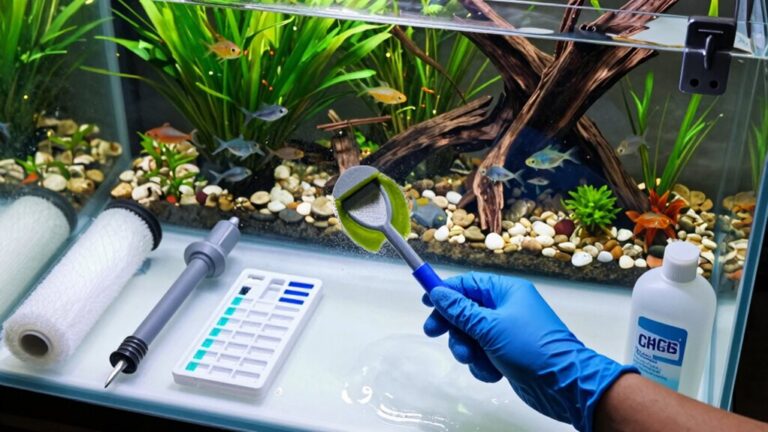
Weekly tasks like glass cleaning (no chemicals!) and helping with water changes provide perfect learning opportunities. Children can also learn to use test kits to measure water parameters like pH and nitrates before weekly water changes, developing their understanding of water chemistry and its effects on fish health. Be sure they rinse hands before and wash with soap after tank maintenance.
With your guidance, they’ll develop responsibility while connecting with your finned family members.
Teens: Full Tank Management
Unlike their younger siblings who thrive with simple tasks, teenagers are ready to graduate to complete aquarium management with their rapidly developing brains.
Their improved executive function lets them handle multi-step processes like weekly maintenance routines and equipment servicing.
You’ll find teens can now grasp the “why” behind maintenance—understanding the nitrogen cycle rather than just following directions. Teach them the importance of implementing proper water changes to remove accumulated fish waste and maintain water quality. Consistent logging of water quality parameters helps teenagers identify potential issues early and maintain tank safety for both the fish and everyone involved. Regular water changes can significantly aid in reducing harmful nitrates, further promoting the health of the aquarium.
Start by letting them independently perform basic maintenance cycles, then gradually add complex tasks like filter media changes and water testing as they demonstrate competence.
Consider assigning a dedicated maintenance session (90-180 minutes weekly) that fits their busy schedule.
With proper training in electrical safety and chemical handling, teens can safely take on higher-risk tasks that were previously off-limits, building confidence while developing real-world skills they’ll use for years to come.
Tracking Progress: Using Charts and Rewards for Maintenance Success
Five powerful tools transform fishkeeping maintenance from a chore into an engaging learning experience for children: tracking charts, logs, and reward systems.
When you implement a weekly chore chart showing daily tasks like feeding and filter checks, you’ll notice your child’s responsibility grow before your eyes!
Match your tracking method to your child’s age—picture charts for toddlers, sticker rewards for preschoolers, and more complex parameter logs for older kids.
The magic happens when you connect these systems to thoughtful rewards. Consider small tokens for completed tasks and milestone prizes (like a new tank decoration) for consistent care streaks.
You’ll know your system’s working when water parameters improve and your child starts talking about “their” fish with pride and ownership. Additionally, the responsibility includes monitoring water quality management to ensure the well-being of their aquatic pets.
Learning From Mistakes: When Fish Care Goes Wrong

Despite our best intentions, fishkeeping inevitably comes with moments when things don’t go as planned—and that’s perfectly okay!
These mishaps create valuable teaching opportunities for your children.
When your youngster accidentally overfeeds the fish, use this moment to explain how excess food affects water quality and fish health.
If you’ve rushed the cycling process and noticed problems, discuss how beneficial bacteria need time to develop.
Tank size matters too—show your child how fish need proper space to thrive, just like people do!
Water changes can be tricky; if you’ve made mistakes, demonstrate the correct way together.
And remember those new fish that didn’t survive? That’s a perfect chance to talk about proper acclimation techniques.
These “oops” moments aren’t failures—they’re stepping stones to becoming responsible pet owners! In addition, discussing the importance of water quality testing will help them understand how regular monitoring keeps fish healthy and reduces stress in their aquatic environment.
Family Teamwork: Sharing Aquarium Responsibilities
Creating a family duty chart for your aquarium transforms fish care from a chore into a shared adventure everyone can enjoy. You’ll find that rotating responsibilities, like feeding, water testing, and tank cleaning, helps children develop different skills while preventing any one person from getting stuck with all the work. When you establish clear roles that match each family member’s age and abilities, you’re not only maintaining a healthy tank—you’re building teamwork skills that extend far beyond the aquarium glass. Additionally, teaching kids about regular maintenance ensures that the fish remain healthy and the tank environment is stable for everyone to enjoy.
Family Aquarium Duty Charts
Sharing the workload of aquarium maintenance creates not merely a healthier environment for your fish, but also builds a sense of family teamwork that extends beyond the tank.
To get everyone on board, create visual duty charts that make responsibilities clear and achievable.
Start with a family meeting to introduce your aquarium care system. Show off colorful printable charts with check boxes or sticker spaces that track daily feeding and maintenance tasks.
For younger children (ages 4-5), assign simple tasks like measured feeding, while older kids can handle more complex duties.
Consider creative approaches like a shoebox tank chart with paper fish bearing chore pictures, or bright LED-lit displays that make fish care exciting.
With consistent verification at dinner time, these charts will transform fish care from a chore into a natural habit. Additionally, incorporating water quality testing into the routine will help children understand the importance of maintaining a healthy aquarium habitat.
Rotating Fish Care Roles
When families rotate aquarium responsibilities, children develop a deeper understanding of fishkeeping while learning valuable life skills that extend beyond the tank. You’ll notice your kids becoming more observant as they monitor water conditions and count fish, building essential attention to detail. Try creating a rotation schedule where everyone gets turns with different tasks – from feeding fish to changing water under adult supervision. These shared activities naturally strengthen family bonds during your daily interactions around the tank. Your children will beam with pride when they’ve successfully cared for new fish fry or helped design tank decorations. As kids progress from watching to doing, they’ll develop patience, portion control, and research skills. Moreover, understanding feeding frequency can help ensure optimal health for their fish, reinforcing the importance of a structured approach to fish care. Plus, those quiet moments observing the tank together offer surprising therapeutic benefits, reducing anxiety while fostering compassion and respect for living creatures.
Connecting Fishkeeping to Real-World Life Skills
Beyond the simple joy of watching colorful fish swim in a tank, fishkeeping offers children a treasure trove of practical abilities they’ll use throughout their lives.
When your child monitors water chemistry or follows feeding schedules, they’re actually developing scientific literacy and time management skills that’ll serve them in school and beyond.
- A child carefully measuring fish food portions is learning budget management just like an adult planning monthly expenses.
- Testing water parameters and adjusting accordingly mirrors how we analyze problems and implement solutions at work.
- Recording tank maintenance in a journal develops the same documentation habits professionals use in countless careers.
You’ll notice these fishy lessons showing up in homework habits, household chores, and even interactions with friends—proving that sometimes the best classroom has fins and bubbles.
Frequently Asked Questions
How Much Should I Budget for a Classroom Aquarium Setup?
You’ll need $300-400 for a 20-gallon classroom setup, including tank, equipment, and initial fish. Plan for $20-30 monthly maintenance costs for food, water treatments, and occasional replacements.
Can Fish Allergies Affect Some Children in Classroom Settings?
Yes, fish allergies can affect children in classroom settings. You’ll need to take into account that 0.6% of U.S. kids have fish allergies, which can trigger through direct contact, inhalation, or ingestion.
Which Fish Species Are Most Educational yet Low-Maintenance?
Bettas are your best educational yet low-maintenance choice. They’ll teach responsibility with minimal care. Guppies show reproduction cycles, while Neon Tetras demonstrate schooling behavior. All thrive with simple weekly maintenance routines.
How Do Teachers Handle Fish During School Breaks?
You’ll either assign staff to handle crucial care during breaks, arrange service contacts for maintenance, or properly drain and store tanks. Pre-break prep includes thorough cleaning and guaranteeing tanks remain in climate-controlled environments when empty.
What Aquarium Alternatives Exist for Children With Fish Phobias?
You can use video aquariums, fish-free water plants, digital pets, interactive apps, or alternative small pets like snails. These options still teach responsibility while respecting your child’s ichthyophobia through low-stress exposure methods.
Final Thoughts
You’ve now seen how fishkeeping can transform your child’s sense of responsibility. It’s more than about keeping fish alive—it’s about nurturing life skills that’ll serve them forever. As you watch your kids track feeding schedules, clean tanks, and solve problems, remember you’re witnessing real growth. The aquarium becomes a living classroom where mistakes matter, success feels earned, and responsibility isn’t merely taught—it’s experienced firsthand.