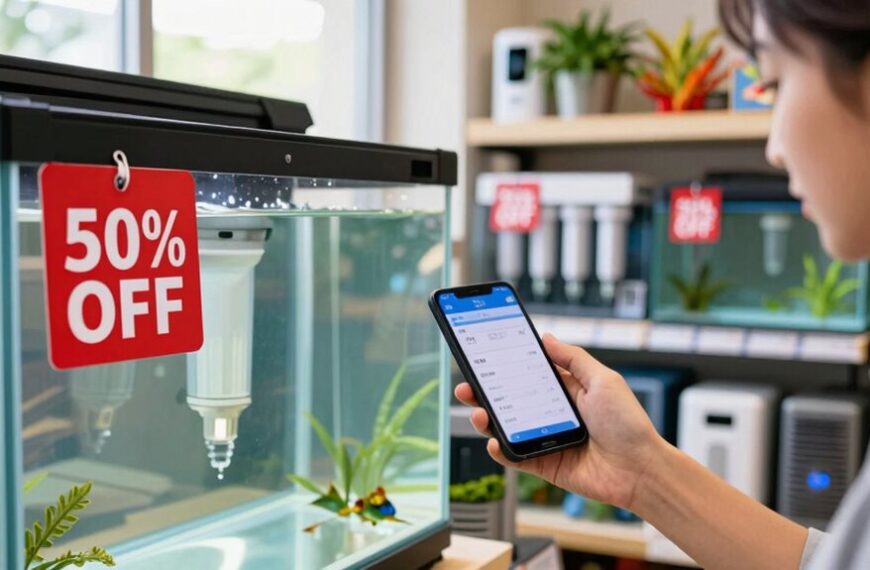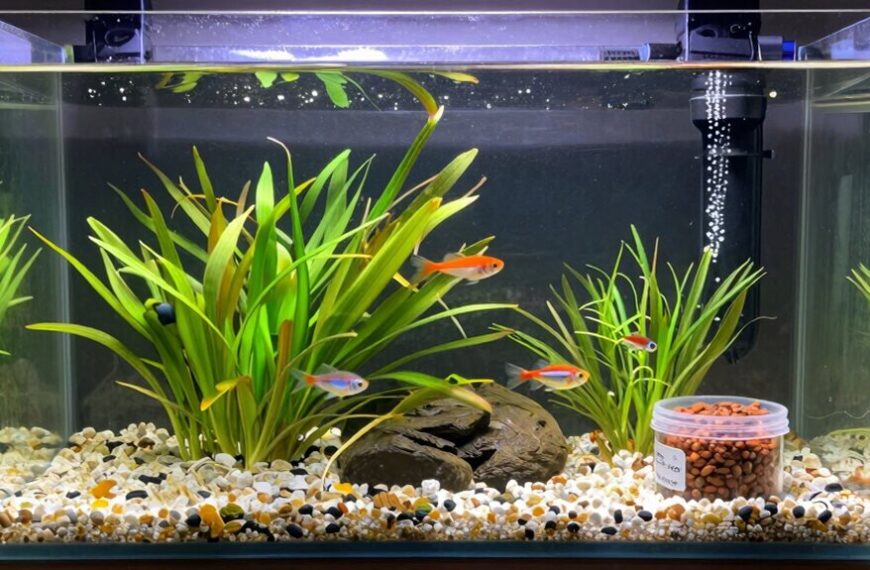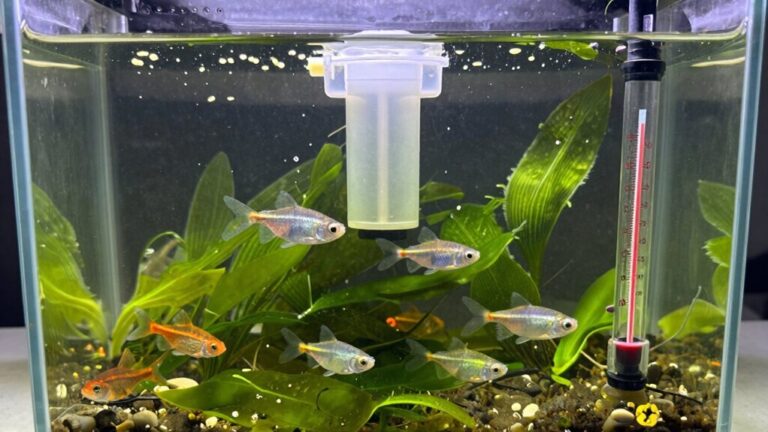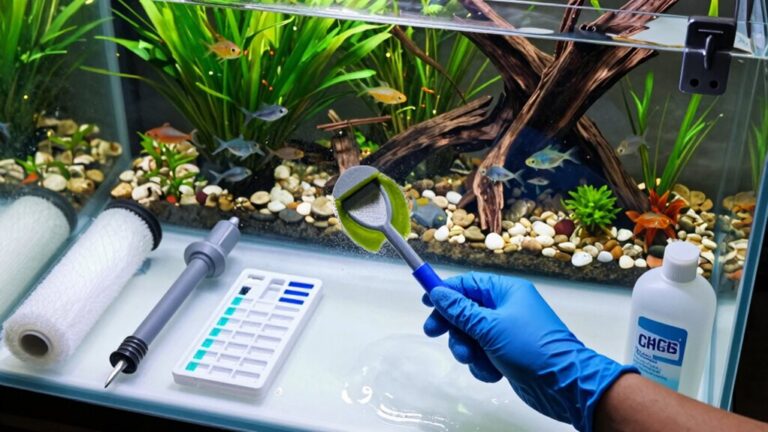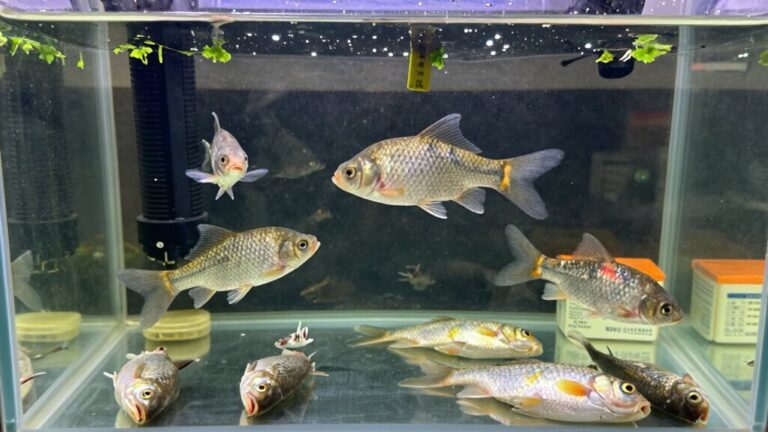

Used tanks can save you 50-80% off retail prices, especially for larger setups, but come with risks like potential leaks, hidden maintenance costs, and unknown histories. New tanks offer warranties, customization options, and peace of mind, though at premium prices. When deciding, carefully inspect used tanks for damage, test all equipment, and consider long-term value rather than just initial savings. Your budget, available space, and willingness to troubleshoot will guide your perfect underwater investment.
Understanding the True Cost of Used Aquariums

While that $1-per-gallon used tank on Facebook Marketplace might seem like an irresistible bargain, the true cost of a secondhand aquarium goes far beyond its initial price tag.
You’ll need to evaluate immediate expenses like resealing, cleaning supplies, and replacement parts that can quickly add up. Regular water quality checks to prevent toxic buildup and proper maintenance are also essential for a healthy aquarium.
That steal-of-a-deal might suddenly become less attractive when you realize you need new filters, tubing, and possibly professional repairs.
Don’t forget those scratched panes might need polishing or replacement—ouch for your wallet!
The hidden value equation changes even more with high-end setups.
While basic tanks might sell for 80% less than retail, complete systems with accessories typically offer less dramatic savings.
Sellers frequently overestimate the worth of their used equipment, making it essential to research market values before negotiating.
Your best value? Local pickup tanks that save you those hefty shipping costs new tanks often require.
Remember that specialty aquariums like hexagon and bowfront designs typically command higher pricing due to their unique aesthetic appeal.
Risk Assessment: Potential Issues With Pre-Owned Tanks
Although that used tank might seem perfectly fine at first glance, it could be hiding serious problems that mightn’t reveal themselves until it’s too late.
You’re facing invisible threats when buying secondhand aquariums. Used filters often harbor bacteria and parasites that can survive for months, potentially causing diseases like fish tank granuloma if you clean with bare hands. Always inspect used aquariums by filling with water for at least 24 hours before finalizing your purchase to check for leaks. Maintaining ideal water quality is essential to ensure the health of your fish and prevent stress.
Even scarier, structural failures happen without warning – imagine a 200-gallon tank front suddenly detaching, flooding your home with water and glass shards!
Equipment malfunctions are another major concern. Those used heaters might stick “on,” cooking your fish at 90°F, while contaminated filter media can transfer diseases to your new aquatic pets. The unknown history of used tanks makes it impossible to truly assess their reliability or previous maintenance conditions.
For immunocompromised individuals, these risks are even higher, making that bargain tank potentially dangerous and ultimately more costly.
How to Properly Inspect a Second-Hand Tank
Before you hand over cash for that secondhand aquarium, you’ll need to become a tank detective. Start by examining all seams and joints for signs of leaks – water stains, salt buildup, or silicone pulling away from glass are red flags you can’t ignore.
Inspect the glass thoroughly for cracks, scratches, or chips, paying special attention to corners where damage often begins. Remember, cracked glass is a deal-breaker since replacement is nearly impossible. It’s essential to ensure that the water parameters will remain stable to support fish health after purchase.
Always request a water test before purchasing. Have the seller fill it up while you watch, then mark the water level to monitor for slow leaks beyond normal evaporation.
Don’t forget to check the tank’s history and take photos before viewing. Your detective work now prevents heartbreak later when your living room floor isn’t unexpectedly turned into a wading pool! For framed tanks, ensure the top and bottom frames are intact as these provide crucial structural support that prevents the glass panels from bowing outward. Verify that all included accessories like filters and heaters are functioning properly before finalizing your purchase.
The Benefits of Starting Fresh With New Equipment

When you purchase a new aquarium setup, you’ll enjoy the safety net of warranty protection that covers everything from leaks to equipment malfunctions.
You’re free to customize your system exactly as you want it, selecting the perfect filtration, lighting, and heating equipment that matches your specific needs and fish species. A new tank allows you to incorporate live plants from the beginning, which provide natural filtration by absorbing harmful compounds from fish waste while releasing oxygen into the water. These planted environments create hiding spaces for your fish, significantly reducing their stress levels. Additionally, a new tank ensures that you start with optimal water conditions, allowing you to effectively manage parameters like pH and ammonia from the outset.
Your brand-new tank gives you a blank canvas to create the underwater world you’ve always imagined, without compromising on quality or dealing with someone else’s design choices.
Warranty Protection Matters
Since purchasing a new aquarium comes with substantial warranty protection, you’ll want to understand these benefits before deciding between used or new equipment.
Most reputable manufacturers offer warranties that’ll save you from unexpected costs if something goes wrong. Warranties generally cover manufacturing defects, but not damage from misuse or normal wear and tear.
- Waterbox Aquariums now offers an impressive 3-year warranty on glass aquariums purchased after October 31, 2024.
- AquaIllumination requires product registration within 30 days to activate your warranty.
- Most warranties are non-transferable, meaning used tanks have zero protection.
- The Magnuson-Moss Warranty Act protects you from deceptive warranty practices. Additionally, ensuring clean, balanced water in your new aquarium setup will contribute to the long-term success and enjoyment of your aquatic environment.
Remember that proof of purchase is required for any warranty claim, so always keep your receipts and documentation safe when buying new equipment. The warranty period for electrical components like pumps and LED lighting is typically one year from the delivery date.
Customizing Your System
The opportunity to build a personalized aquatic ecosystem remains one of the most compelling reasons to invest in new equipment rather than used tanks.
With today’s advanced customization options, you’ll have the freedom to tailor every aspect of your underwater world to your vision.
New systems offer modular designs like Habistax that let you experiment with layouts while expressing your artistic side.
You can seamlessly integrate high-efficiency canister filters, customizable LED lighting, and automated feeders into one smart platform that you’ll control from your smartphone.
Imagine adjusting your tank’s environment with a tap while you’re at work or on vacation!
Unlike used setups that come with someone else’s design limitations, starting fresh means you’ll build exactly what you want—with AI-driven pumps that simulate natural currents and lighting systems perfectly matched to your specific fish and coral species.
Additionally, investing in new tanks ensures you can implement the latest filtration system techniques to maintain optimal water quality and a healthier aquatic environment for your fish.
When Used Tanks Make Financial Sense

Buying a used aquarium can dramatically slash your startup costs, especially if you’re eyeing those larger setups that typically command premium prices.
The math is compelling – a used large tank often sells for 50-80% less than its new counterpart, with many second-hand options priced well under $1 per gallon. You’ll find the sweet spot with tanks over 75 gallons, where the savings truly shine.
- Large tanks (over 75 gallons) offer the biggest percentage savings compared to retail
- Older tanks (1+ years) typically sell for around $1 per gallon, while newer tanks fetch $1.50-$2.50
- Hexagon tanks rarely exceed $2 per gallon regardless of age or condition
- Small tanks under 55 gallons provide minimal savings (max 50¢ per gallon) and aren’t worth the risk
Don’t overlook negotiation tactics – splitting purchases or addressing seller needs can transform a $300 deal into a $100 steal. Additionally, the costs associated with long-term financial planning in aquarium care can help you budget efficiently for future upgrades.
Equipment Inheritance: Evaluating What Comes With Used Setups
While budget savings draw many to used tanks, inheriting accompanying equipment can be either a goldmine or a money pit. Before jumping at that “complete setup” deal, inspect every component thoroughly.
Start with a visual assessment of the tank itself—look for cracks, chips, and compromised silicone seals. Don’t just trust your eyes; run your fingers along seams to check for peeling or separation.
Always perform a leak test by filling the tank before finalizing your purchase.
Test all electrical equipment with proper GFCI protection. Heaters should maintain consistent temperatures, lights should work without flickering, and filters should run effortlessly.
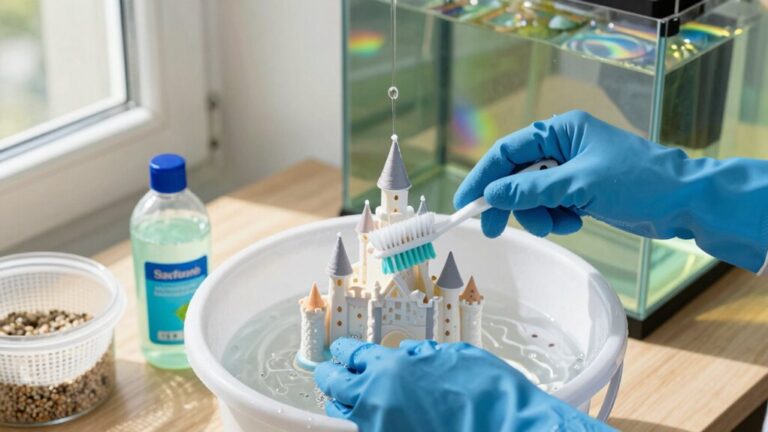
Don’t forget to ask about the tank’s history of pathogens—you’ll want to replace porous media and disinfect non-porous items regardless. Regular testing of water quality is vital to ensure optimal fish health, preventing potential issues before they arise.
Long-Term Value Comparison Between New and Used Systems
Your initial investment in a new tank offers warranty protection and energy-efficient components, but you’ll pay a premium compared to secondhand options.
When you choose used equipment, you’re trading lower upfront costs for potential hidden maintenance expenses that can add up over time.
Ultimately, your long-term value hinges on how you balance these factors: the predictable but higher costs of new systems versus the initial savings but uncertain repair needs of used setups. Regular maintenance is essential for optimal water quality in any fish tank, whether new or used, ensuring the health and longevity of your aquatic life.
Return on Investment
Savvy aquarists understand that the true cost of a fish tank extends far beyond the initial price tag.
When evaluating ROI, you’re looking at value over time, not merely today’s savings. A well-maintained used tank at $1-3 per gallon might outperform a cheaper new option that deteriorates quickly.
- New tanks offer customization benefits, letting you select exact specifications for peak efficiency.
- Used tanks that include upgraded features like LED lighting deliver improved value despite their age.
- Hidden flaws in used equipment can quickly erase initial savings through unexpected repairs.
- Warranty coverage on new tanks provides financial protection against manufacturing defects.
Your personal risk tolerance matters too.
If you’re comfortable inspecting used equipment thoroughly, you’ll likely maximize your return with pre-owned options.
If peace of mind is paramount, new tanks with warranties might be worth every penny of their premium price. Additionally, considering the importance of water quality can help ensure that your investment supports the health and longevity of your aquatic life.
Lifetime Maintenance Costs
Although the initial price tag often dominates purchase decisions, long-term maintenance costs actually determine the true value of your aquarium investment.
When you’re choosing between new and used tanks, think beyond that tempting bargain price!
A used tank might save you money upfront, but could cost more over time if equipment fails or leaks develop. You’ll spend $100-200 annually maintaining a freshwater setup and $400-600 for saltwater systems—costs that can balloon with inefficient older equipment.
New tanks, while pricier initially, offer warranties and energy-efficient components that reduce long-term expenses. They’re less likely to spring surprise leaks or need immediate replacements.
For reef enthusiasts especially, modern equipment’s energy savings (potentially $50-100 monthly) can offset that higher purchase price within just a couple of years.
Making Your Decision: Tank Size and Budget Considerations
When choosing between a used or new fish tank, both size and budget will dramatically shape your aquatic adventure.
While small 5-10 gallon tanks seem wallet-friendly at $20-50, they’ll demand more frequent maintenance and limit your fishy friends to tiny species.
Medium tanks (20-40 gallons) offer that sweet spot between cost and stability at $100-300, giving your fish room to thrive without breaking the bank.
- Small tanks fluctuate rapidly, requiring biweekly testing and often leading to premature upgrades.
- Medium tanks support greater biodiversity while maintaining reasonable maintenance schedules.
- Large tanks (90+ gallons) provide maximum stability but demand considerable upfront investment.
- Your available space should guide your decision—don’t squeeze a tank where it doesn’t fit!
Frequently Asked Questions
How Long Should Quarantine Used Plants Before Adding Them?
You should quarantine used plants for 2-4 weeks before adding them to your main tank. This gives you time to monitor for pests, parasites, and diseases while allowing plants to acclimate properly.
Can Used Tanks Develop Microcracks That Aren’t Immediately Visible?
Yes, used tanks can develop microcracks that aren’t immediately visible. You’ll need to inspect thoroughly as these hidden flaws often appear when water pressure is applied, potentially causing unexpected leaks or failures later.
Are Rimless Used Tanks Riskier Than Standard Framed Aquariums?
Yes, rimless used tanks are riskier. You’re facing greater structural failure risks due to their thicker glass requirements, hidden seam deterioration, and lack of supportive bracing that would otherwise compensate for age-related silicone weakening.
How Does Water Chemistry Affect Silicone Degradation Over Time?
Water chemistry affects silicone over time when extreme pH levels weaken adhesion to glass. You’ll see faster degradation in acidic conditions below 4.5, especially with heat. Regular water changes minimize these effects on your tank.
Should I Replace Electrical Components Even if They Appear Functional?
Yes, you should replace aging electrical components even if they appear functional. Invisible damage to insulation and wiring can cause dangerous voltage leaks that kill fish before you’ll notice them.
Final Thoughts
Whether you choose a used or new tank ultimately depends on your comfort level with risk, budget constraints, and long-term goals. Used tanks offer considerable savings but require careful inspection and possible repairs. New setups provide peace of mind but at a premium price. Trust your instincts—if that second-hand deal seems too good to be true, it probably is. Your perfect aquatic home awaits, whichever path you choose!