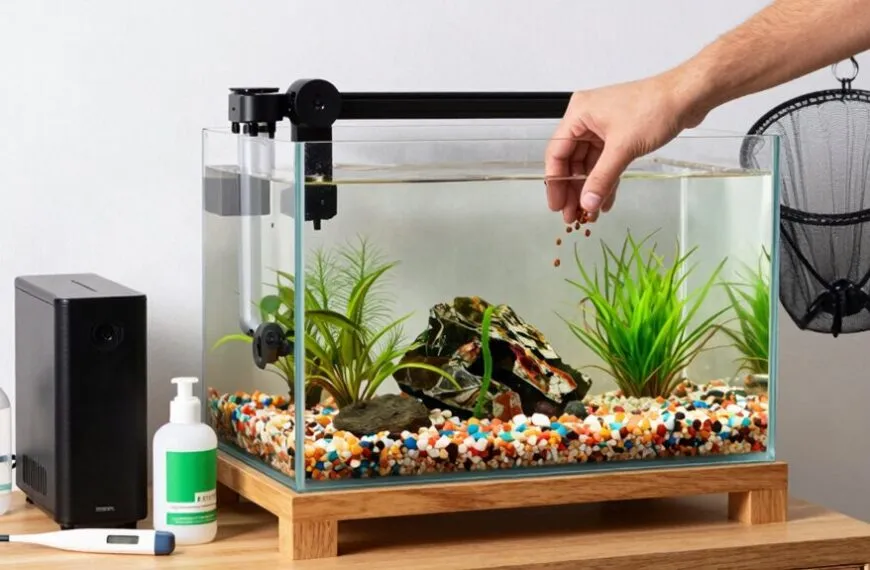
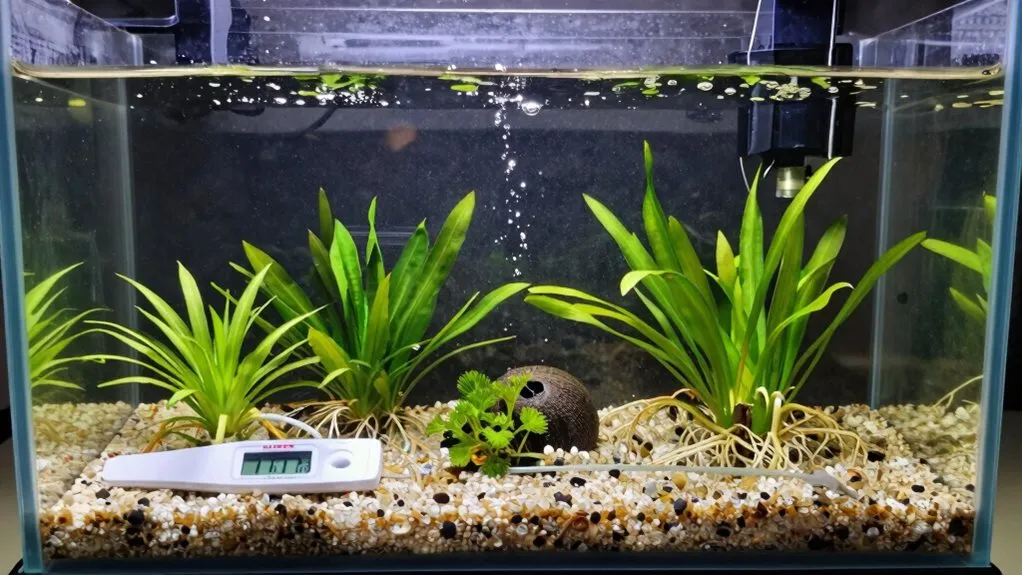
Cycling your aquarium is essential to prevent fish deaths from toxic ammonia. Don’t rush this 4-8 week process! Choose fishless cycling with ammonia drops for safety, or seeded media for speed. Test water daily using an API Master Kit to track ammonia, nitrite, and nitrate levels. Never rinse filter media with untreated tap water or skip dechlorination. After cycling, change 20-50% of water before slowly adding fish. The expedition to a healthy tank starts with patience and consistent monitoring.
Contents
- 1 Understanding the Nitrogen Cycle: Why It’s Essential
- 2 Choosing the Right Cycling Method for Your Setup
- 3 Tracking Your Cycle: Test Kits and Water Parameters
- 4 Common Cycling Mistakes and How to Avoid Them
- 5 Transitioning From Cycling to Stocking Your Tank Safely
- 6 Frequently Asked Questions
- 7 Final Thoughts
Understanding the Nitrogen Cycle: Why It’s Essential
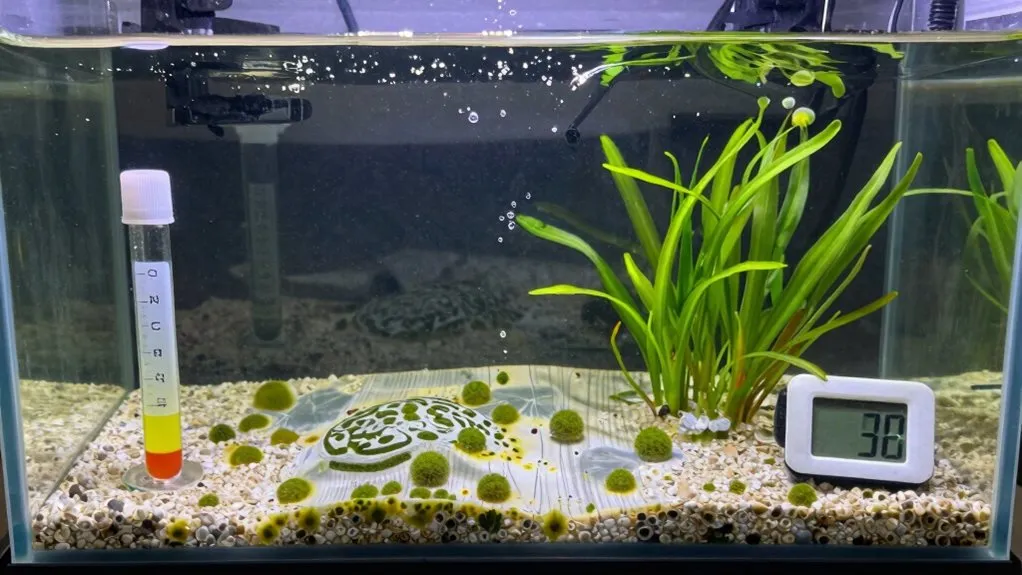
Before you add a single fish to your new aquarium, you’ll need to understand the nitrogen cycle—the invisible but crucial process that keeps your underwater friends alive and healthy.
Think of it as your tank’s natural waste management system.
When fish produce waste and food decomposes, they release toxic ammonia. Thankfully, beneficial bacteria come to the rescue! These microscopic heroes transform ammonia into nitrite (still toxic) and then into less harmful nitrate.
This biochemical transformation takes 4-8 weeks to establish completely.
Without a cycled tank, your fish swim in their own toxic waste—like living in an unflushed toilet! Rushing this process is the #1 mistake new aquarists make.
Patience pays off when your water tests show ammonia and nitrite at zero, signaling your tank is ready for finned residents.
The specific bacteria involved in this process are primarily Nitrosomonas and Nitrospira, which require surfaces in your filter media to colonize and grow.
For closed tanks, direct intervention is necessary to establish and maintain a healthy nitrogen cycle, unlike natural ecosystems where the process occurs spontaneously.
Choosing the Right Cycling Method for Your Setup
Now that you understand why cycling matters, let’s explore which method will work best for your aquarium setup.
Your choice depends on experience level, time constraints, and available resources.
For beginners with patience, fishless cycling offers the safest route. You’ll add ammonia drops and watch the cycle progress without risking any fish lives. The fishless method is widely preferred because it establishes beneficial bacteria colonies without stressing aquatic life.
If you’re in a hurry and have access to an established tank, seeded media cycling is your best bet—it’s proven to be the fastest method, often ready in under a week! Our tests confirmed that using pre-cycled media resulted in the most stable and quick nitrogen cycle establishment.
Fish-in cycling, while traditional, isn’t recommended unless you’re willing to test water daily and perform frequent water changes.
Tracking Your Cycle: Test Kits and Water Parameters
Successfully cycling your aquarium depends on tracking critical water parameters with reliable test kits. Think of these kits as your aquatic detective tools—they reveal what’s happening in your underwater world when things look perfectly fine (or not so fine) to the naked eye.
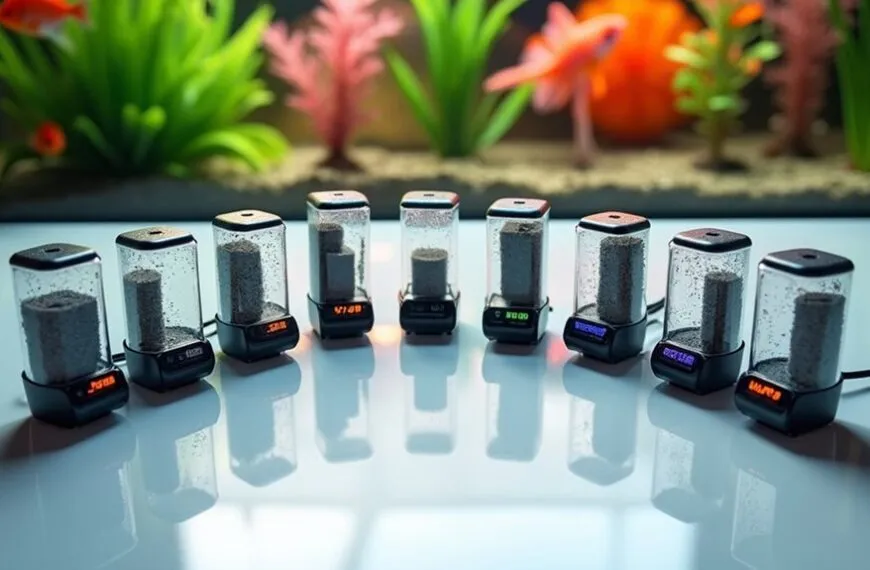
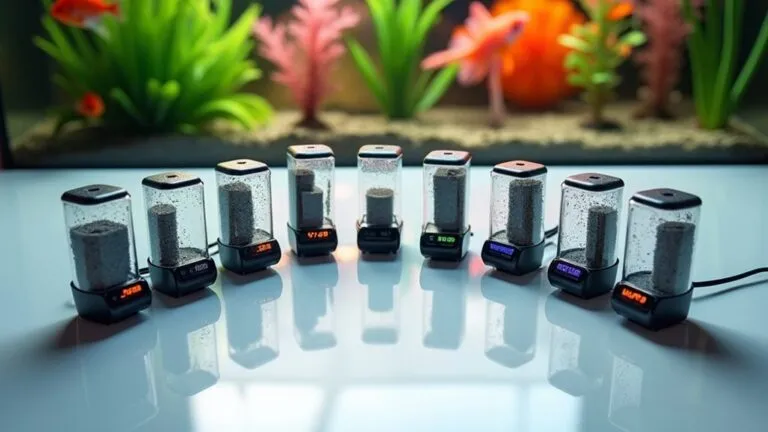
During cycling, you’ll want to test daily for the “big three”: ammonia, nitrite, and nitrate. Start with a quality test kit like the API Master Test Kit—those rainbow-colored test tubes aren’t just for show! For more comprehensive monitoring, consider systems like the Neptune Trident which offers automated testing capabilities. Regular testing is key to prevent toxic buildup, which can endanger your fish’s health.
When you see ammonia and nitrite drop to zero while nitrates rise, you’ll know you’re making progress. Don’t rush this process; your future fish will thank you for your patience. Regular monitoring is essential as imbalanced parameters can lead to stress and diseases in your aquatic pets.
Remember to log your results—your memory isn’t as reliable as you think when tracking numbers over weeks!
Common Cycling Mistakes and How to Avoid Them
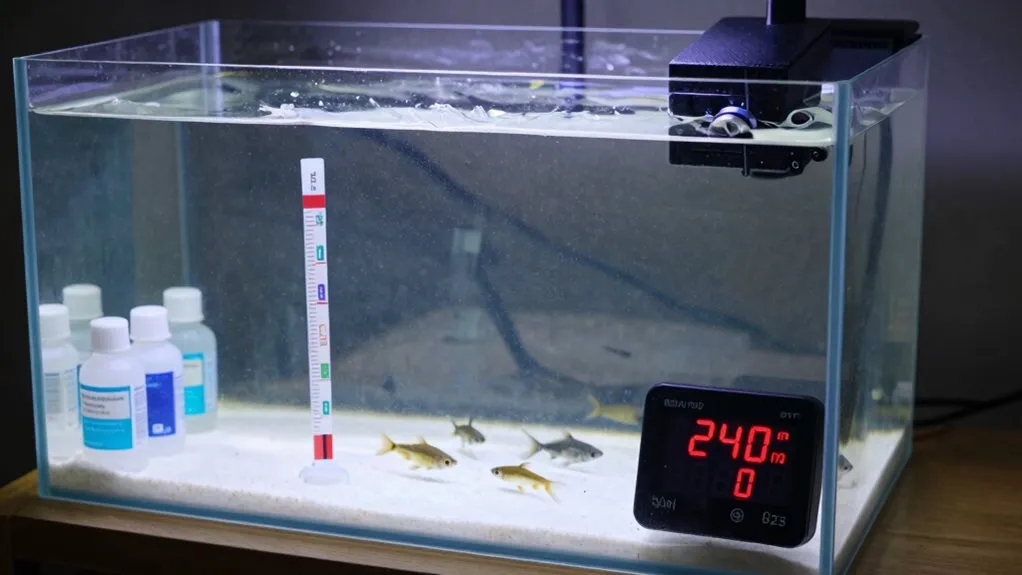
Even experienced aquarists make cycling mistakes that can derail their tank’s success, turning what should be a straightforward process into a frustrating ordeal.
You’ll save time, money, and fish lives by avoiding these common pitfalls:
- Skipping the cycling process – Don’t rush to add fish! Your tank needs weeks to develop bacteria that process toxic waste.
- Using tap water to rinse filter media – Chlorine kills beneficial bacteria instantly. Always use dechlorinated or tank water.
- Creating inconsistent ammonia sources – Use pure ammonia instead of decomposing fish food for precise control of cycling progress.
- Making sudden parameter changes – Abrupt shifts in temperature or pH stress your system. Make gradual adjustments to maintain stability. Testing water frequently allows you to monitor cycling progress and make necessary adjustments before toxic waste accumulation harms your aquatic life.
- Forgetting to dechlorinate new water – Municipal water treatment contains chemicals that can instantly kill beneficial bacteria and harm fish during water changes.
Transitioning From Cycling to Stocking Your Tank Safely
Congratulations on completing the cycling process! Now it’s time to prepare your tank for its first residents.
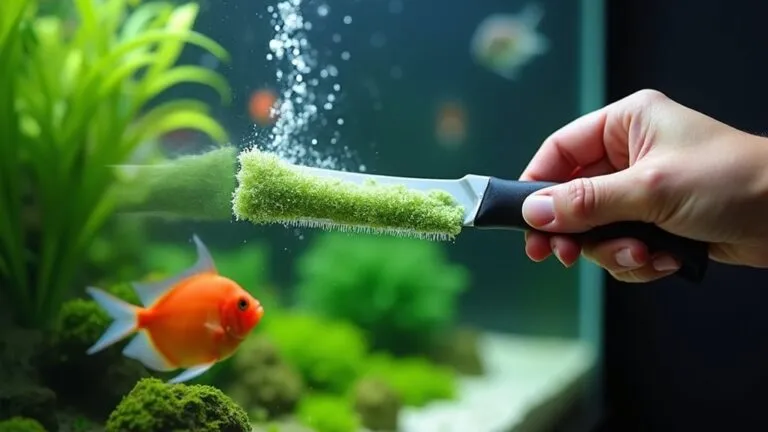
Start with a thorough cleanup—scrape algae from glass, blast debris from rockwork, and replace filter media to remove all that cycling gunk. Make sure to check that beneficial bacteria growth is well-established before adding fish.
Next, perform a generous 20-50% water change to dilute those accumulated nitrates and refresh trace elements. Your future fish will thank you!
When stocking, patience becomes your best friend. Add just 1-2 fish initially, then wait at least two weeks before introducing more. Consider adding a helpful clean-up crew consisting of snails and crabs that will help manage waste and algae growth. Remember that properly understanding the inch per gallon rule can guide your stocking decisions, though it’s just a starting point.
Always check that your water remains crystal clear—cloudy conditions are your tank’s way of saying “slow down!”
Frequently Asked Questions
Can I Speed up Cycling by Raising the Temperature?
Yes, you can speed up cycling by raising the temperature to 25-28°C. This increases beneficial bacterial metabolism, potentially shortening cycling time by 20-50%. Don’t exceed 30°C to avoid stressing fish post-cycling.
Will Medications Affect My Established Cycle?
Yes, medications will affect your established cycle. Many antibiotics kill beneficial bacteria, causing ammonia spikes. Do water changes before treatments, increase aeration, and monitor parameters closely to minimize disruption to your biological filtration.
Do I Need to Cycle Hospital/Quarantine Tanks?
You don’t absolutely need to cycle hospital tanks for short-term use, especially if you’re doing daily water changes or using ammonia detoxifiers. However, for longer quarantines (weeks), having established biofiltration is definitely beneficial.
How Do Power Outages Impact Cycling or Established Cycles?
Power outages can disrupt your cycle by reducing oxygen that beneficial bacteria need. During short outages, your bacteria survive if media stays wet, but longer blackouts may cause die-off and ammonia spikes afterward.
Can I Use Cycling Water From a Friend’s Tank?
Yes, you can use water from a friend’s tank to help start cycling, but it’s not very effective alone. Filter media or gravel from their tank contains far more beneficial bacteria than water.
Final Thoughts
You’ve now got the knowledge to properly cycle your aquarium! Remember, patience truly is the key—rushing this process only leads to stressed fish and frustration. Keep testing your water, wait for those nitrates to appear, and don’t stock too quickly. Your future fish will thank you for taking these extra weeks to create a healthy, stable environment. Happy fishkeeping, and enjoy your thriving underwater world!