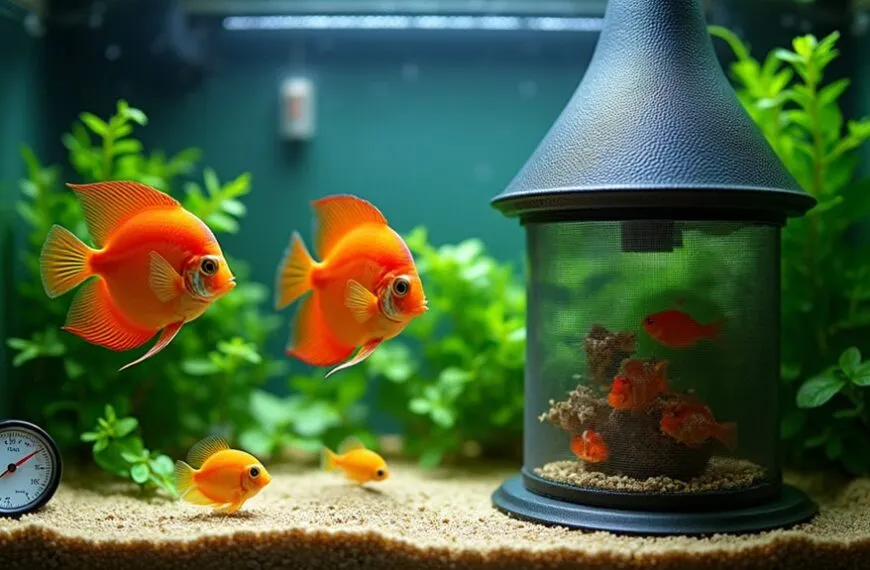

Overbreeding has greatly damaged popular pet fish like bettas, guppies, and goldfish. You’ll notice these fish often have weakened immune systems, unnatural colors, and physical deformities that affect swimming ability. They’re more susceptible to diseases, grow slower, and typically live shorter lives than their wild counterparts. When selecting aquarium fish, consider choosing varieties that haven’t been excessively inbred for extreme features—your tank inhabitants will thank you with greater health and natural behaviors.
Genetic Consequences of Inbreeding in Aquarium Fish

While those vibrant, uniquely patterned fish at your local pet store might catch your eye, they often hide a troubling genetic reality beneath their striking appearance.
What you’re seeing is the result of selective inbreeding that quickly exposes hidden recessive traits affecting coloration and finnage. In fact, these health issues can lead to erratic swimming or increased susceptibility to parasites.
When fish are repeatedly inbred, their genetic diversity plummets. You’ll notice this manifests as decreased fertility, morphological abnormalities, and sometimes complete sterility in your aquarium.
Those beautiful albino varieties? They often lack natural survival capabilities. The fancy cichlids with exaggerated features? Many suffer from weakened skeletons and metabolisms.
The science is clear: inbreeding depression occurs when deleterious recessive mutations become homozygous. This process becomes even more problematic when fish are exposed to chemical environmental agents that can amplify the negative effects.
In practical terms, this means your inbred fish may grow slower, reproduce less successfully, and show increased vulnerability to disease and stress. Popular examples like the electric blue cichlid demonstrate how the pursuit of attractive coloration often sacrifices the overall health of the species.
The Role of Parental Care in Ornamental Fish Breeding
Beyond the genetic concerns of inbreeding lies another fascinating aspect of ornamental fish reproduction: their remarkable parental behaviors.
You’ll find fish employ diverse strategies to guarantee their offspring’s survival, from elaborate nest builders like bettas crafting bubble nests to diligent mouthbrooders holding eggs safely in their mouths until hatching.
When breeding ornamental fish, you’re actually witnessing parental care that evolved over millennia. This natural behavior can be enhanced by pair-breeding techniques that allow compatible males and females to form strong bonds for reproduction. Additionally, understanding the importance of optimal water conditions is crucial for creating a supportive environment for these parental behaviors.
Cichlids guard their eggs vigilantly, while clownfish pairs protect adhesive eggs attached to surfaces.
Even species like kissing gouramis, which scatter buoyant eggs, follow instinctive breeding patterns that require specific environmental conditions to trigger.
Success in breeding these fish demands understanding their unique needs—proper temperature, adequate space, appropriate water chemistry, and nutrition all play key roles in supporting these natural parenting behaviors that can be disrupted by overbreeding practices.
Egg scatterers, unlike the protective species mentioned above, rely on spawning multiple locations to increase the odds that some of their offspring will survive predation in both natural habitats and home aquariums.
Comparing Captive-Bred vs. Wild-Caught Pet Fish Health
When comparing the health profiles of captive-bred and wild-caught aquarium fish, you’ll discover considerable differences that directly impact your experience as a fishkeeper.
While captive-bred fish often arrive acclimated to aquarium life and prepared foods, they may carry hidden genetic weaknesses from generations of inbreeding. Captive breeding has generally been shown to ease pressure on wild populations, but this can sometimes lead to problems.
- Wild-caught specimens typically offer greater genetic diversity and natural resilience, but face more stress during collection and transport.
- Captive-bred fish can suffer from “designer deformities” – physical traits we find attractive that actually compromise their swimming ability and overall health.
- Breeding facilities may inadvertently create resistant pathogens through routine antibiotic use, sending you home with fish carrying hard-to-treat infections. Sustainable practices in fish collection emphasize both health and ecosystem balance.
Your choice between wild-caught or captive-bred fish involves weighing immediate hardiness against long-term genetic health concerns. Many larger fish species like tangs remain predominantly wild-caught due to breeding difficulties in captivity. It’s worth noting that only about 4% of marine species are commercially available as captive-bred, with the majority still being collected from wild reef environments.
Signs of Overbreeding in Popular Aquarium Species

Overbreeding leaves telltale signs in popular aquarium fish that you’ll start noticing once you know what to look for. The most obvious indicators include deformed body shapes, with shortened spines or bulging eyes that weren’t present in their wild ancestors.
You’ll notice overbred species like guppies and bettas display weakened immune systems, falling ill more frequently than their natural counterparts. Their colors might be unnaturally vibrant—beautiful at first glance but often accompanying genetic defects. Excessive feeding contributes to these health issues, as fatty liver condition often develops in overbred specimens with already compromised genetics. A healthy fish should exhibit slight belly curvature, not an exaggerated one that indicates obesity or poor breeding practices. Additionally, overbred fish are more susceptible to behavioral changes that compromise their ability to thrive in a stable environment.
Watch for reduced lifespans too. That fancy goldfish strain might live just 3-5 years instead of the potential 15-20 years of healthier varieties.
Behavioral changes are equally telling—overbred fish often show decreased natural instincts, poor swimming abilities, and stress responses that wouldn’t help them survive for a minute in the wild.
Responsible Breeding Practices for Hobbyists
Although beautiful fish can captivate any aquarium enthusiast, responsible breeding requires far more than simply placing males and females together in a tank.
You’ll need multiple tanks: conditioning tanks for females, breeding tanks, and grow-out tanks for developing fry. Remember, that 10-gallon tank won’t support 100 baby fish for long! Dedicating a breeding tank with the right substrate can significantly enhance your breeding success.
Proper water management is your breeding foundation. Frequent water changes, biological filtration, and careful monitoring of pH and temperature aren’t just good practice—they’re vital for healthy offspring. Different breeding methods such as egg scatterers and bubble nest builders require specific tank setups to protect eggs from predation. Maintaining bare-bottomed tanks allows for easier cleaning and significantly reduces disease risk in your breeding operation.
- Quarantine all new fish and plants to prevent disease introduction
- Research species-specific requirements before attempting to breed
- Maintain extra stock in separate tanks as backup if primary breeders sicken
Don’t rush the process. Responsible breeding means understanding your fish’s unique needs and providing the proper environment for their offspring.
Frequently Asked Questions
Can Overbreeding Effects Be Reversed in Future Generations?
Yes, you can reverse overbreeding effects through outcrossing with unrelated or wild stock. Within 4-5 generations, you’ll see genetic refreshment and elimination of defects when you selectively remove deformed individuals during breeding.
How Do Water Parameters Affect Inbreeding Depression Severity?
Your fish will suffer more severe inbreeding effects in stressful water conditions. Higher salinity, chemical exposure, temperature extremes, and dense populations can greatly amplify genetic weaknesses that wouldn’t appear under ideal parameters.
Do Different Fish Families Show Varying Tolerance to Inbreeding?
Yes, fish families vary dramatically in their inbreeding tolerance. You’ll find cichlids often handle it better than salmonids. Livebearers show mixed results, while cyprinids typically experience moderate effects depending on environmental conditions.
Can Diet Supplements Mitigate Negative Effects of Overbreeding?
No, you can’t rely on diet supplements alone to mitigate overbreeding effects. Research shows no direct evidence linking supplements to reduced reproductive issues or stress in overbred fish populations despite nutritional management attempts.
How Do Breeding Conditions Impact Color Morphs’ Genetic Health?
Cramped breeding facilities and selective practices diminish your color morphs’ genetic diversity. You’ll see higher inbreeding rates, weakened disease resistance, and potentially unstable traits when breeders prioritize appearance over genetic health.
Final Thoughts
You’ve learned how overbreeding impacts your finned friends, from genetic issues to compromised immune systems. As you maintain your aquarium, remember that responsible choices matter. By selecting ethically bred fish, supporting conservation-minded breeders, and researching species before purchase, you’ll help create a healthier future for aquatic pets. Your awareness makes a difference! With these insights, you’re now better equipped to be part of the solution rather than the problem.